Methods for applying AI to real work, documenting the adjustments and observations from actual tasks.
In the early days of an AI rollout, the fastest adopter is the first to hit a wall: new workflows have no track record, small flaws get magnified in review, and the safest move for everyone else is to push problems back onto whoever started it. So he pulls his speed back into his own lane — and the scale-up the organization wants only returns when the system steps in
Companies are writing AI use into performance expectations, yet employees hesitate to disclose and managers struggle to judge quality. Usage rates are only an adoption signal; performance evaluation must first define quality, responsibility, and traceable evidence to judge contribution fairly.
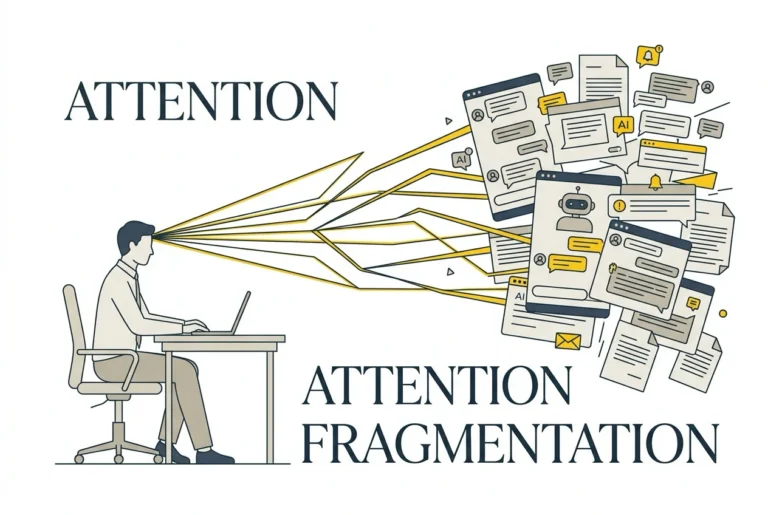
As AI rapidly generates text and drafts, employees spend more time switching between tools and performing defensive debugging. This article deconstructs the cognitive overload and attention fragmentation crisis after AI adoption, and offers management judgment on rebuilding attention boundaries and communication quality.
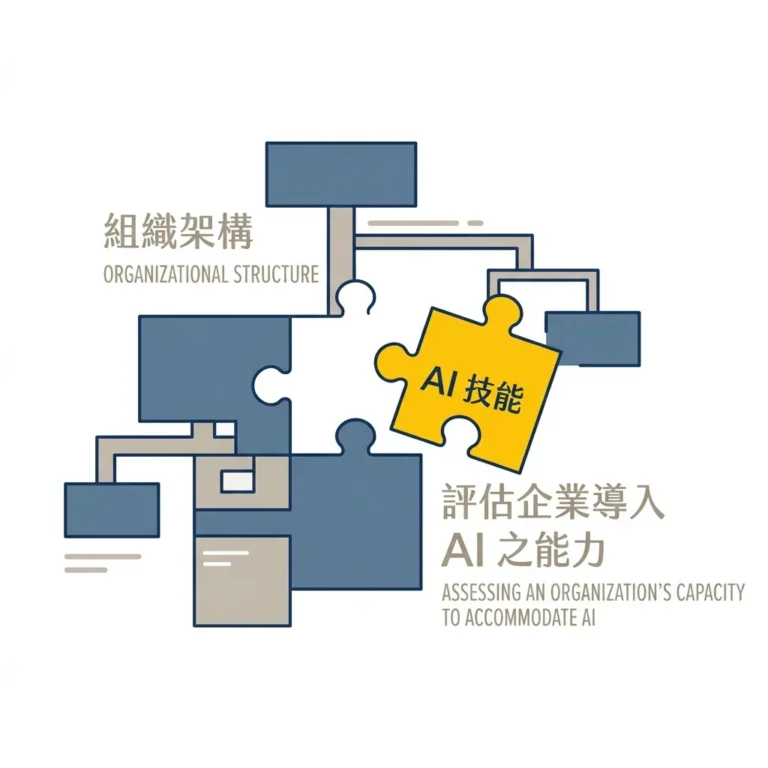
When implementing AI training, companies must assess more than just tool proficiency. This article explores why organizational readiness—including process permissions, data boundaries, and managerial assessment—is the true key to integrating AI skills into daily workflows.
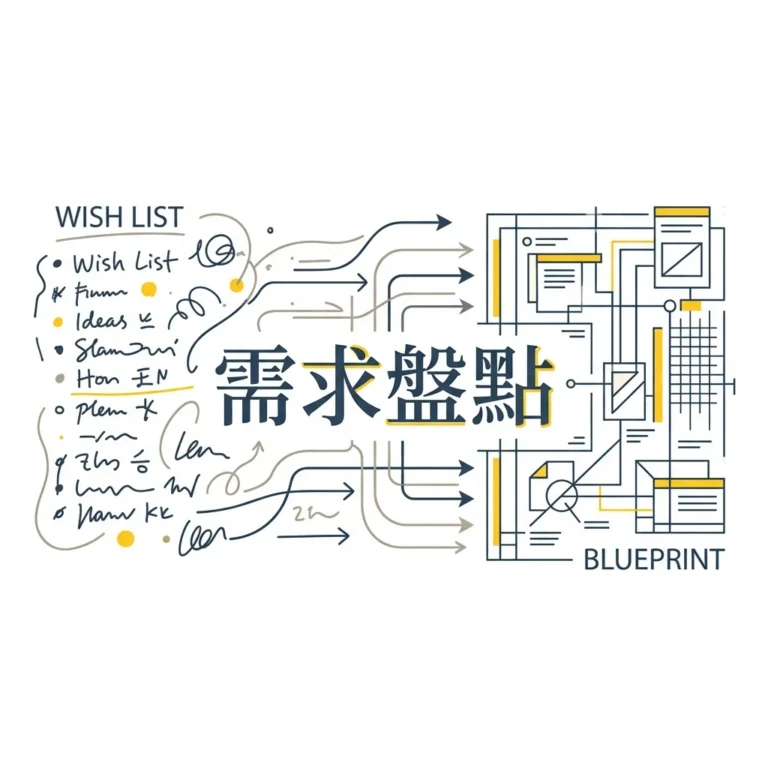
When enterprises push for digitalization, collecting expectations can surface hidden process issues. However, there is a gap between 'wish lists' and actual requirements. Without prior assessment and clarification of responsibilities, the person in charge is often forced to deliver a system that satisfies no one.
When AI becomes a KPI but lacks clear use cases, frontline execution stalls. This article explores how to overcome resource constraints by bypassing complex cross-departmental projects and focusing on small, high-frequency tasks within your own department to build momentum.
Wondering how a personal AI secretary can help? We've compiled 10 ready-to-use workplace scenarios, from organizing to-do lists and drafting emails to reporting up, all designed to reduce daily information friction.
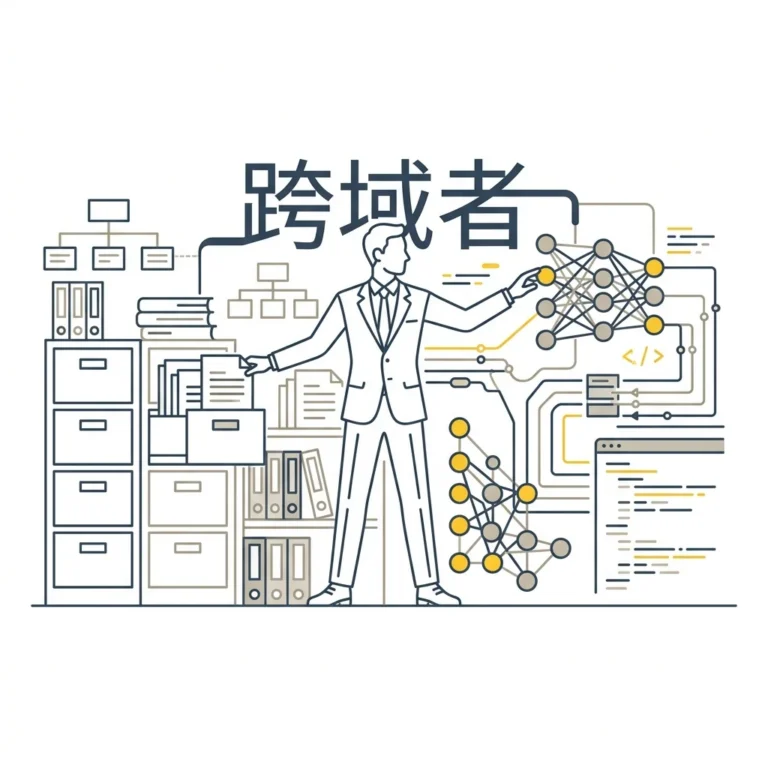
The success or failure of enterprise AI transformation often depends on whether someone internally can bridge frontline experience with new technology. This article explores why these double-hatters are so scarce, and how enterprises should reconfigure performance reviews, authorization, and risk governance to make transformation actually land.
Most people set up their private AI secretaries as personas, leaving work scenarios, responsibility boundaries, supervisor preferences, and data permissions blank. This article provides actionable ways to turn prompts into iterative, maintainable AI collaboration specs.
The real bottleneck in enterprise AI adoption often stems from internal cognitive gaps. This article dissects the structural reasons behind collective dysfunction from three perspectives — CEO, IT, and frontline employees — and proposes a five-stage maturity model to help organizations find a rhythmic upgrade path from blocking to governance.
Page 2 of 3